
Exciting news this week for the St Helena Island Community! We have been approved for a Visiting Fellowship through the Harry Gentle Resource Centre, which is part of the Griffith University Centre for Social and Cultural Research. For the next year, we will be engaging in some in-depth research into the contribution of women and children into the St Helena Penal Establishment from 1867 to 1932. This is exciting news, as for the first time ever, this male dominated site will have a little-known part of its history unearthed, allowing the stories of women and children to be fully realised and appreciated.

The Griffith Centre for Social and Cultural Research has academic researchers from a broad range of humanities and social science fields including history, sociology, media and journalism, literature, archaeology, and linguistics and languages.
The Centre’s vision is to create new research that deepens our understanding of the challenges and issues confronting contemporary society, through the application of innovative humanities and social science research operating at the edge of current knowledge.
Within the GCSCR is the Harry Gentle Resource Centre, which is dedicated to the study of the peoples and lands of Australia, with an initial focus on early 19th century Queensland. It offers a portal of interactive resources, research publications, commentaries and research aids, to facilitate access to published and unpublished information about intercultural encounters during this important colonial period.

The Centre seeks to document particularly the lives and experiences of those persons, groups and organisations that have not been the subject of historical investigation by collating an inventory of the diversity and claims on country that made up the early colonial period.
And this is where the Visiting fellows play a role. Visiting fellows aim to document the lives and experiences of people, groups and organisations that have not been the subject of historical investigations. This research will contribute to the diversity of resources available at the HGRC, and will be made available to everyone,
Read about Griffith Uni’s Visiting HGRC fellowship 2025 announcement here
The St Helena Island Community has been working with original sources to develop an extensive prisoner database and has also identified prison warders connected to the St Helena Penal Establishment. However, a large gap in our research exists to date – women and children that formed part of the community of warder’s families. Belinda has researched the Warders’ Children’s cemetery and identified children buried there. Belinda has also researched individual warders and wives as part of the research requested by descendants, as they fill in the gaps within their family history research. But a large portion of women and children who lived on St Helena Island have not yet been identified, highlighting the need to gather data around families on the island, and to understand how this small but free community operated within the regulations and operations of a penal establishment.
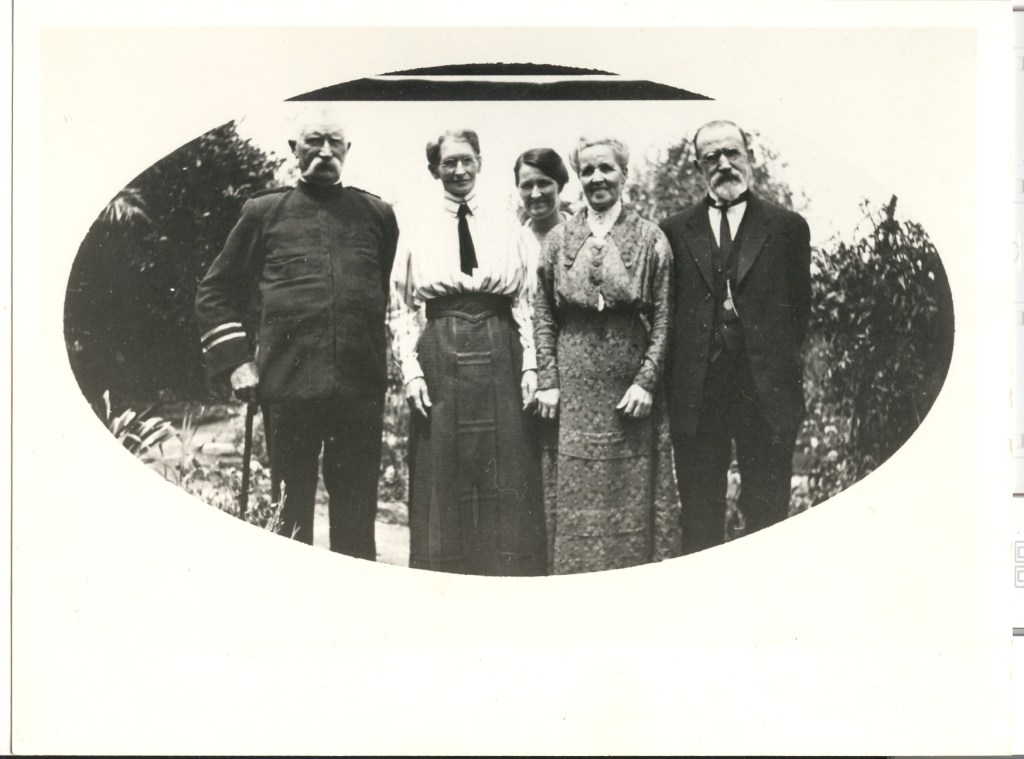
So, we’re thrilled to head into this exciting project over the next 12 months. Here’s an outline of what we hope to achieve:
AIMS:
- Restore women and children into the historical narrative, as accurate, specific information on these women and children is very limited and not shared widely in the social history of St Helena Island.
- Understand through in-depth research any issues faced by warder’s families due to class, gender and living under penal regulations and contributions made to the St Helena Penal Establishment.
RESEARCH SPECIFICS:
- The project will identify families living as part of the warders’ community from the late 1860’s until 1932, and document these in a digital database.
- Once a complete record of all individuals and family groups is established, biographical information will be compiled on each family, which will be crucial in comparing and contrasting family information.
- Key information will be generated, including a list of St Helena Island births, deaths and marriages as well as other specific events, experiences and issues that occurred within the St Helena warder community.
ANALYSIS:
- Comparison of research information on each family will reveal the inter-connectivity between individuals within the warders’ community, establishing familial connections as well as personal connections formed on the island.
- A specific focus will be made on the roles performed by women, to determine the contribution of women and children to St Helena Island’s warder community and to St Helena Penal Establishment.
- The project will also identify issues faced by families living in a colonial penal environment due to class, gender and living under penal regulations.

This significant output will produce the first full and permanent record of warders’ families on St Helena Island during the prison era, allowing women and children to enter the historical record of St Helena Island. We can’t wait to share it with you!
