
We are searching for Warders’ families that lived on St Helena Island during the Penal Establishment years.
Is that you? We need to hear from you!
The St Helena Island Community is regularly contacted by individuals exploring their family tree and who have unearthed information that they have a St Helena prisoner or warder amongst their relatives. Others know their ancestor was on St Helena Island during the time it was a penal establishment and want to know more. Belinda enjoys researching and writing the profile that encapsulates the always fascinating life story of these individuals.
But this time Belinda is the one searching for information.
She is currently working on an exciting new St Helena project as part of the Visiting Fellowship with Griffith University through the Harry Gentle Research Centre (HGRC). The focus is the families that lived on St Helena Island while it operated as a penal establishment. Over the life of the prison, women and children lived in homes surrounding the prison stockade, living a free life as part of the warder community.

These families lived in married quarters within Warders Row, along the western edge of the prison stockade. They grew food, tended to domestic livestock, managed daily life on the island and the children were educated at the St Helena School No. 12. Babies were born, people formed romantic relationships and beloved family members died on St Helena Island.
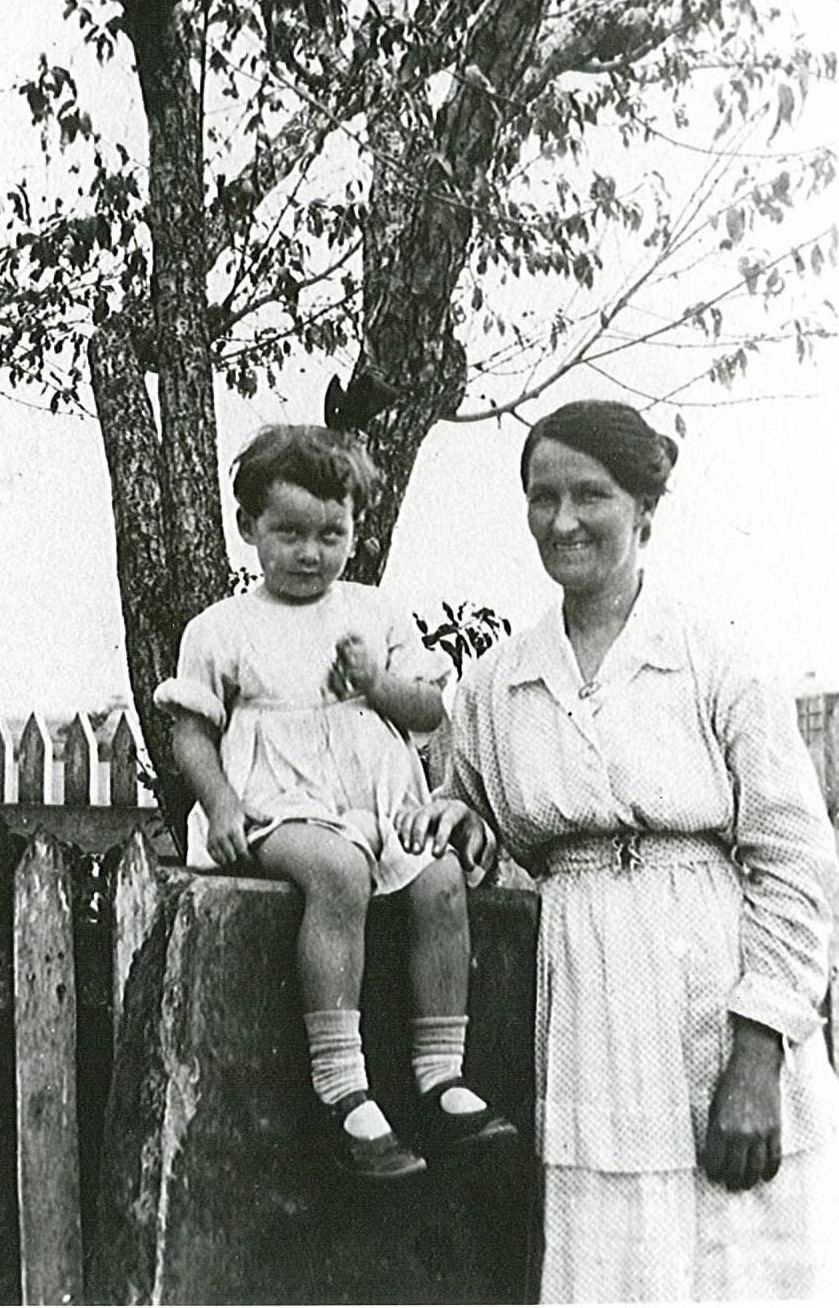
As we know, women’s stories do not often feature in our written colonial history. That which survives is generalist in nature and does not provide specific detail or comprehensive recording of the individual’s story. And in a male prison with male warders, this is especially so.
Belinda’s mission is to uncover the stories of these families that have been lost to history. Excitingly, the Griffith University project offers an opportunity to research these families in depth, as well as share these stories with new audiences via presentations, the HGRC website and through newly formed connections and networks. The St Helena Island Community will do its best to share this also, via our blogs, SHIC SharePoint database and written profiles.

And this is where you can help.
- Do you have any members of your family tree that once lived on St Helena Island?
- In particular, were they there in the prison period between 1867 and 1932?
- Do you have any images or photos that you would be willing to share?
- Do you have any anecdotes, documents or family stories that have been passed down from the time they lived on St Helena Island?

If you have anything to share, Belinda would love to hear from you, even if we have already chatted over previous years! I feel that the combination of family history with local history and original documented historical sources is the way to develop a fuller, richer, personal and accurate account of the lives and contributions of the women and children of St Helena Island. This sort of work definitely needs a “community” and I hope you can come on board with your family story.
Please contact Belinda Daly via our contact page or email belindadaly66@gmail.com with any information you have.
And also…. Pencil in this date!!
Belinda will be presenting her Griffith University Research findings on the Women and Children of St Helena Island on Thursday 25th June 2026. This will be held at the Qld State Archives in Runcorn.
Hope to see you there!
Cover image: Graham family women on the ‘Kangaroo cart’ on St Helena Island in the late 1910’s. Source: Fiona Pearce Collection, QPWS
The research on St Helena women is now published. Click on the link to find out more!
Warders, wives and children – The families of St Helena Penal Establishment – Harry Gentle Resource Centre
